
When Do You Need a Dental Crown?
That small crack in a tooth, the filling that keeps failing, the ache when you bite down – these are often the moments people start asking, when do you need a dental crown? The answer is not always obvious from the bathroom mirror. In many cases, a crown is recommended not because a tooth is beyond saving, but because it can still be saved.
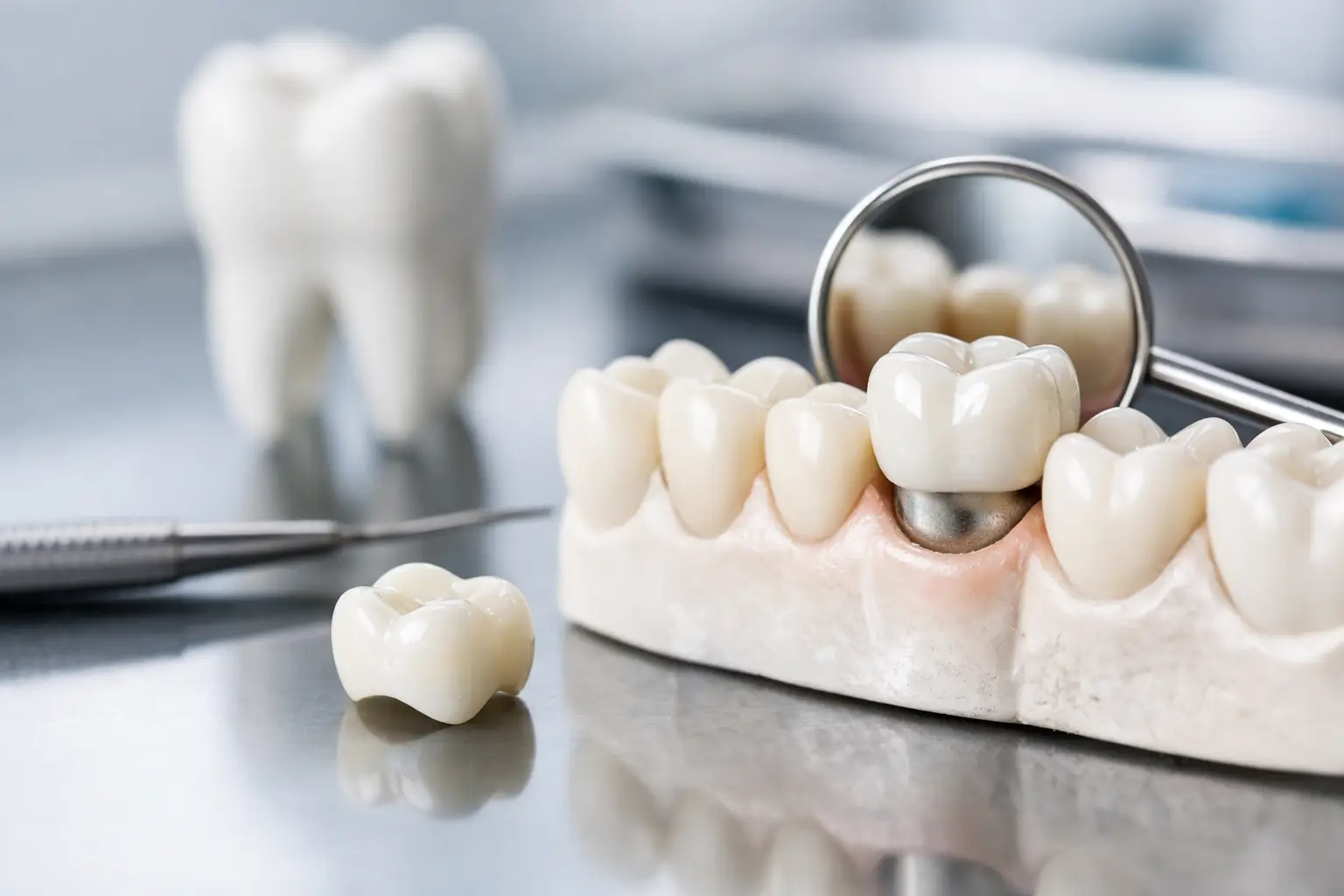
A dental crown is a custom-made covering that fits over a damaged tooth to restore its shape, strength, and function. Think of it as protection with a purpose. It helps a weakened tooth hold up to daily chewing and can also improve how that tooth looks. For many patients, a crown is the treatment that prevents a bigger problem later.
When do you need a dental crown for protection?
One of the most common reasons for a crown is that a tooth has become too weak for a regular filling. Fillings work well for smaller areas of decay or damage, but they do not replace enough structure when a large portion of the tooth is missing. If the remaining tooth is thin, cracked, or under heavy bite pressure, a filling alone may not last.
This is especially true for molars. Back teeth do most of the hard work when you chew, so they take more force every day. If a molar has a very large cavity or an old filling that has broken down, a crown can help hold the tooth together and lower the risk of fracture.
Sometimes the need is urgent. If a tooth is cracked deeply enough, waiting can allow that crack to spread. Once that happens, treatment becomes more complicated, and in some cases the tooth may no longer be restorable.
Common situations where a crown makes sense
There is no single rule that applies to every patient, but a crown is often the right choice in a few familiar situations.
A tooth with a very large filling is a common one. Over time, fillings can wear down, leak, or leave too little healthy enamel behind. A crown gives that tooth more complete coverage and support.
A cracked tooth is another reason. Not every crack means you need a crown, but many do. Small surface lines may be harmless, while deeper cracks that cause pain with chewing usually need more protection.
Crowns are also frequently used after root canal treatment. Once the inside of the tooth has been treated, the tooth can become more brittle, especially in the back of the mouth. A crown helps seal and strengthen it.
They can also restore a tooth that is badly worn down from grinding, acid erosion, or years of heavy use. In those cases, the issue is not always decay. Sometimes the tooth has simply lost too much structure to function comfortably without added support.
And of course, crowns can improve appearance. If a tooth is misshapen, severely discolored, or damaged in a way that bonding or a veneer cannot predictably fix, a crown may be recommended for cosmetic and functional reasons.
When do you need a dental crown instead of a filling?
This is one of the questions patients ask most often, and the honest answer is that it depends on how much healthy tooth remains. If decay or damage is relatively small, a filling is usually the more conservative option. It preserves more natural tooth structure and is typically less involved.
But there is a tipping point. Once a tooth has lost too much of its outer walls, a filling can act more like a patch than a long-term fix. The tooth may flex under pressure, and that can lead to pain, breakage, or repeated repairs. In that situation, a crown is often the more dependable treatment.
Dentists also look at where the tooth is located, how strong your bite is, and whether you clench or grind your teeth. A front tooth and a back molar do not face the same demands. A treatment that works well in one area may not last in another.
Signs you should not ignore
A crown is not always the answer to dental discomfort, but certain symptoms deserve attention because they can point to a tooth that is weakening.
Pain when chewing or releasing your bite can be a sign of a crack. Sensitivity to hot or cold that lingers may suggest deep decay or structural damage. A tooth that looks visibly broken, worn, or darkened can also be signaling trouble beneath the surface.
Sometimes there are no dramatic symptoms at all. You may just notice that an old filling feels rough, a piece of tooth has chipped away, or food keeps getting trapped in the same spot. These small changes matter. Catching them early can mean simpler treatment and a better chance of preserving the tooth.
What a crown can and cannot do
A crown can restore strength, shape, and appearance, but it is not magic. It does not make a tooth indestructible, and it does not eliminate the need for good home care. You still need to brush, floss, and keep up with regular exams and cleanings.
It is also worth knowing that a crown only works if the tooth underneath is healthy enough to support it. If decay extends too far below the gumline, if the tooth is split, or if bone support is poor, other treatments may be more appropriate. That is why a careful exam matters before deciding on any restoration.
When a crown is the right fit, though, it can be an excellent long-term solution. It helps many patients chew comfortably, avoid further breakage, and keep a natural tooth for years to come.
What to expect if your dentist recommends one
For many people, the word crown sounds more intimidating than the actual process. In reality, the goal is straightforward: protect the tooth, restore normal function, and make the result feel natural in your smile.
Your dentist will first evaluate the tooth and take images to see the full picture. If the tooth can be restored, it is gently shaped so the crown can fit securely. An impression or digital scan is then used to create the custom restoration. In many cases, you will wear a temporary crown while the final one is being made.
When the final crown is ready, it is checked for fit, comfort, and appearance before being cemented into place. A good crown should feel stable and blend naturally with your bite. You should be able to eat, speak, and smile with confidence.
At a relationship-focused practice like Gibson Dental, the experience is designed to feel calm and supportive, not rushed. That matters, especially for patients who feel nervous about dental treatment.
Crowns, cost, and long-term value
It is understandable to wonder whether a crown is worth the investment. In many cases, it is more cost-effective to strengthen a tooth now than to wait for it to break further and need more extensive treatment later.
That said, not every damaged tooth needs a crown immediately. Some can be monitored, repaired conservatively, or treated in stages depending on the condition of the tooth and your goals. A trustworthy dentist should explain why a crown is being recommended, what alternatives exist, and what may happen if treatment is delayed.
For families balancing budgets, that conversation is important. Good dentistry is not just about fixing a problem. It is about making thoughtful decisions that support comfort, health, and long-term value.
The best time to ask about a crown
If you are noticing pain, a broken tooth, an old filling that keeps failing, or a tooth that simply does not feel right, that is the right time to ask. You do not need to wait until the damage becomes obvious or severe.
The sooner a tooth is evaluated, the more options you usually have. And when a crown is recommended, it is often because the goal is to keep your natural tooth strong, functional, and comfortable for as long as possible.
If you have been wondering whether that damaged tooth can be saved, a simple exam can give you clarity – and often peace of mind.